Uncategorized

Thurisaz

THURISAZ (Thor-Ee-Sas) Also: Thorn (Futhorc), Thurs (Younger Futhark) Latin Alphabet: “Th” (sometimes D) Literal Translation: Giants Esoteric: Strong One, Resistance As with most Futhark runes, Thurisaz has a two-fold meaning in divination- directed force, vital eroticism, regenerative catalyst, constructive conflict, or danger, defenselessness, betrayal, explosive violence, strife.

Uruz

URUZ (Oo-Ruse) Also: Ur/Yr (Futhorc), Ur (Younger Futhark), Urus (Gothic) Latin Alphabet: U Literal Translation: “Aurochs” or Water Esoteric: Endurance, Manifestation In divination, Uruz symbolizes the dual nature of water- strength, constancy, vitality, health, pragmatic knowledge, and understanding or weakness, misdirected force, inconstancy, sickness, ignorance, and insensitivity.

Fehu

FEHU (Fay-Who) Also: Fe (Younger Futhark), Feoh (Futhorc), Faihu (Gothic) Latin Alphabet: F Literal Translation: Cattle Esoteric: wealth, new beginnings, fortune/luck In divination, Fehu takes on a double meaning. It represent material wealth, power, new beginnings and social success, but can also indicate greed, poverty, and failure.

Nordic Runes

One of the most recognizable symbols used in modern Paganism is the Nordic Runes. The symbols originate from a series of related alphabets used to write Germanic languages in pre-Christian Europe. The earliest record of these inscriptions has been dated to 150 AD, many of the oldest found in Denmark and northern Germany. The runic… read more »

Pentagram

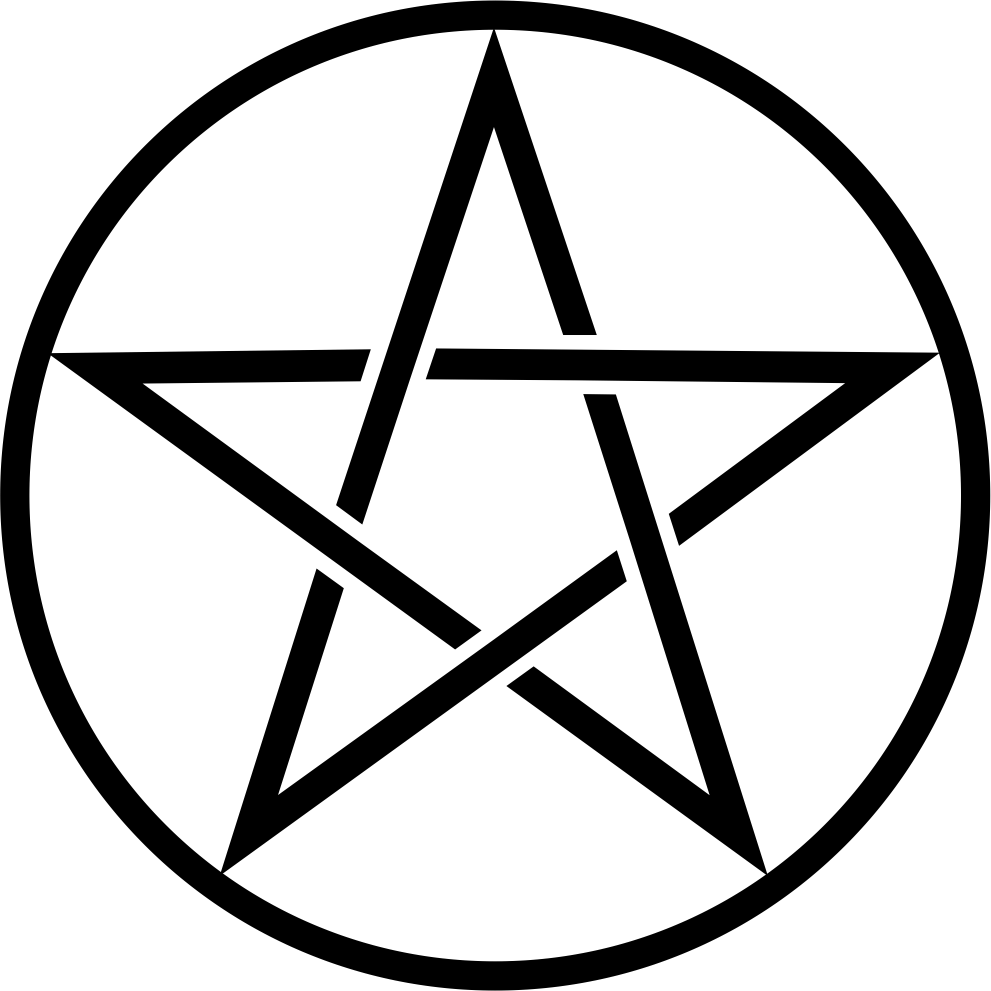
The Pentagram is probably the most recognizable symbol of Paganism and witchcraft. Used in a broad range of traditions and cultures, the pentagram has a number of interpretations. In Pagan traditions, the five-pointed star represents the five elements- Earth, Air, Fire, Water and Spirit. Drawn in a continuous line, the star represents the interconnectedness of… read more »

Alphabets and Scripts

Alphabets and Scripts Theban Script Also called the “Runes of Honorius”, this script is traditionally used to write in a witch’s Book of Shadows or Grimoire, or to inscribe one’s Craft name on altar tools or ritual jewelry. Enochian Alphabet Reputed to be the angelic language first recorded in occult journals by John Dee and… read more »

Imbolc

Imbolc- also known as Imbolg, Candlemas, and the feast of St. Brigid- is the Gaelic Sabbat marking the beginning of spring. Imbolc is celebrated on February 2nd, when the earliest signs of spring are beginning to appear. Honoring the goddess Brighid- a maiden goddess corresponding to light, poetry, and the flame of wisdom- Imbolc has… read more »

Yule

(sunset on the Winter Solstice at Stonehenge, photo credit unknown) Yule is the celebration of the Winter Solstice. The date varies from year to year, but always falls between December 20th and 23rd. The Winter Solstice marks the “shortest” day of the year- the day with the fewest hours of sunlight. From that day forward,… read more »

Samhain

Samhain- known broadly as Halloween or All Hallow’s Eve- is the Pagan New Year. This season has been often referred to as “The Season of the Witch”. Falling on October 31st, Samhain is a feast of death and rebirth, endings and beginnings. We reflect on the past year before entering a season of rest or… read more »

Sidebar